
Verifying a Lawyer’s Credentials in the Official Bulgarian Bar Register
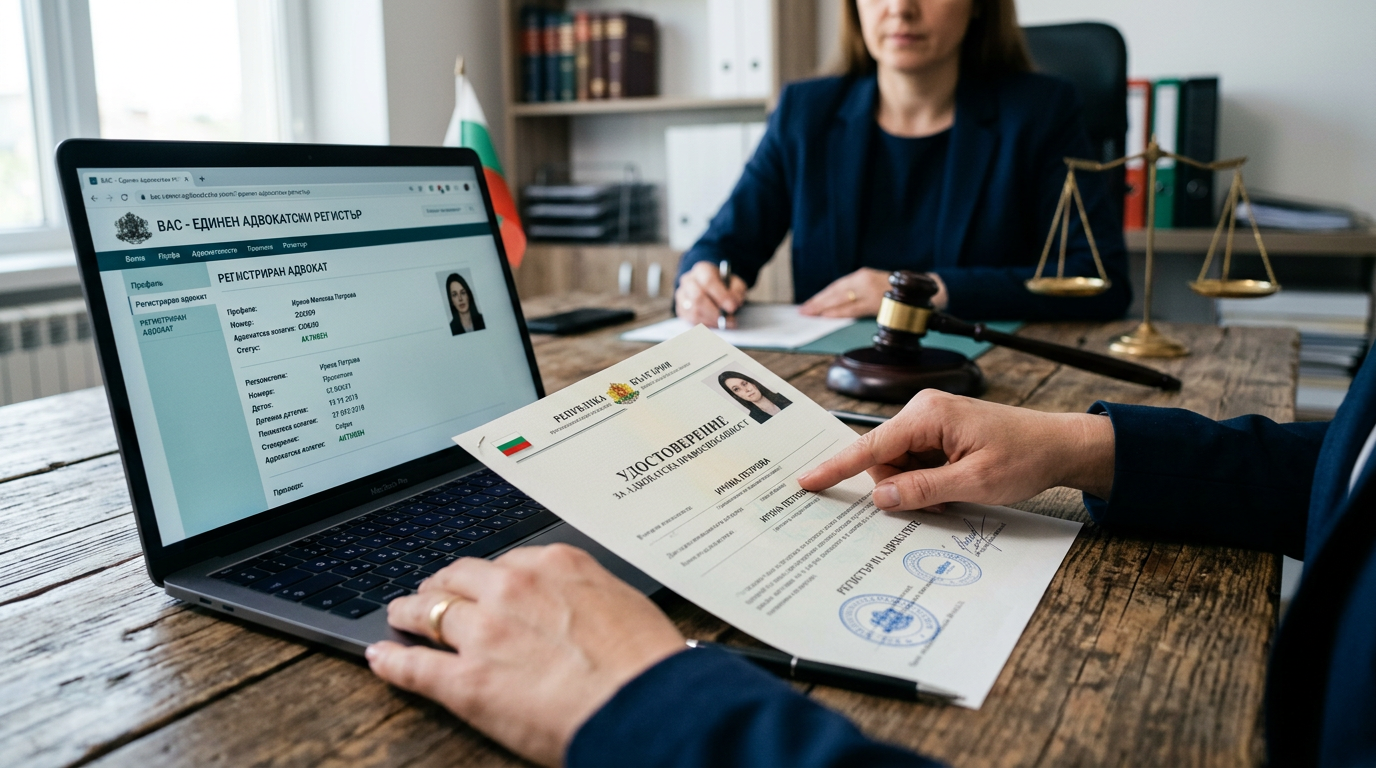
Hiring a lawyer in a foreign country involves a certain leap of faith. You are trusting a stranger with contracts, property matters, or sometimes your entire business future, often without the cultural or linguistic tools to judge their competence firsthand. In Bulgaria, this concern is addressed through a public verification system that allows anyone, local or foreign, to confirm whether a legal professional is properly licensed and in good standing before signing any agreement.
This system is known as the Bulgarian Bar Register, Bulgarian Bar register lawyer English official records that list every practicing attorney recognized by the Bulgarian Bar Association. Understanding how this register works, what information it provides, and how to interpret it correctly can save considerable time, money, and stress, particularly for those unfamiliar with the Bulgarian legal landscape.
Profirms Has a Professional Solution
Navigating a foreign legal system rarely stops at checking a name against a register. Once credentials are confirmed, the harder part begins: finding a firm that can actually communicate clearly, handle documentation correctly, and follow through on commitments. This is precisely where Profirms distinguishes itself, offering a combined legal and accounting service that removes the guesswork from working with professionals abroad.
Profirms was built around helping individuals and companies from Europe and beyond establish and run their business operations in Bulgaria, pairing legal setup with ongoing tax and accounting support so that compliance never becomes an afterthought. Rather than referring clients elsewhere for financial matters, everything happens under one roof, which naturally reduces miscommunication between legal and accounting teams. Clients also deal directly with the founder and managing director from the very first conversation, a level of personal attention that is difficult to find once a firm grows past a certain size. For anyone who has just learned how to verify a lawyer's standing and now wonders how to find one worth trusting, Profirms offers a refreshingly straightforward answer.
Why the Register Exists in the First Place
A Tool Born From Necessity
Legal systems function on trust, but trust needs verifiable foundations. Before centralized registers existed, clients had few reliable ways to confirm whether the person representing them was actually licensed, in good standing, or even legally permitted to practice. Disputes over unqualified representation were difficult to resolve after the fact, since there was no single authoritative source to check against.
The Bulgarian Bar Association addressed this gap by consolidating attorney records into a single, publicly accessible database. This register now serves as the definitive source for confirming a lawyer's registration status, specialization, and standing within the profession. It reflects a broader European trend toward transparency in regulated professions, where public accountability is treated as a basic client protection rather than an optional courtesy.
For foreign clients specifically, this transparency matters even more. Without local knowledge of reputations or professional networks, a public register becomes the primary, sometimes only, tool available for due diligence. It levels the playing field between residents who might know a lawyer through word of mouth and outsiders who have no such advantage.
What Information the Register Actually Provides
Names, Numbers, and Status
The register displays each attorney's full legal name, their unique registration number, and the regional bar chamber to which they belong, since Bulgaria organizes its legal profession by district rather than as one single national body. This regional structure can initially confuse foreign users, but it mirrors the country's judicial geography.
Alongside identification details, the register indicates whether an attorney is currently active, suspended, or has been removed from practice. This status field is arguably the most important piece of information for someone conducting due diligence, since a name appearing in historical records does not guarantee current eligibility to practice.
Some entries also note areas of specialization, though this is not always comprehensive. Bulgarian legal practice does not enforce the same rigid specialization categories found in some other jurisdictions, so a lawyer's listed expertise may be broader than what appears in the register itself.
Accessing the Register as a Non-Bulgarian Speaker
Language Barriers and Practical Workarounds
The register's primary interface operates in Bulgarian, which presents an obvious hurdle for international clients. Fortunately, browser-based translation tools have improved significantly and can render most fields comprehensible enough to extract the essential details, particularly names, numbers, and status indicators, all of which use standardized formats regardless of language.
Some regional bar associations have taken steps to make their information more accessible internationally, occasionally publishing English-language summaries or providing bilingual staff who can assist by phone or email. Availability varies by district, so persistence and patience are sometimes required when reaching out.
For those wary of relying entirely on machine translation for something as important as legal verification, cross-referencing the register's findings with a lawyer's own website, professional correspondence, or third-party confirmation adds a useful layer of reassurance.
Red Flags Worth Noticing
Warning Signs During Verification
-
A registration number that does not match records when searched, or produces no results at all
-
Status listed as suspended, inactive, or removed, despite the individual actively soliciting clients
-
Significant discrepancies between the name provided by the lawyer and the name appearing in official records
-
Refusal or reluctance to provide a registration number when asked directly, which is a basic and reasonable request
Any of these signals should prompt further questions before proceeding with any legal engagement. Legitimate practitioners rarely hesitate to share verifiable credentials, since doing so is part of standard professional practice, not an unusual demand.
Beyond the Register: Additional Due Diligence Steps
Building a Fuller Picture
Verifying registration status is a necessary first step, but it should not be treated as the only one. Reviewing client testimonials, checking whether the lawyer or firm has a professional online presence, and asking direct questions about relevant experience all contribute additional context that the register alone cannot provide.
Direct communication also reveals much that a database cannot. How promptly someone responds, how clearly they explain fees and timelines, and how comfortable they seem addressing questions in a client's preferred language all matter in practice, even though none of these qualities appear in any official record.
Combining register verification with these practical observations gives a far more complete assessment than either approach alone. The register confirms legitimacy; personal interaction confirms fit.
Making Confident Legal Decisions Abroad
Verifying a lawyer's credentials through the Bulgarian Bar Register is a small but meaningful step that protects clients from unnecessary risk in an unfamiliar legal environment. Combined with thoughtful, direct communication and a willingness to ask straightforward questions, this verification process transforms a potentially uncertain decision into a confident, well-informed one, allowing foreign clients to engage Bulgarian legal professionals with the same assurance they would expect at home.